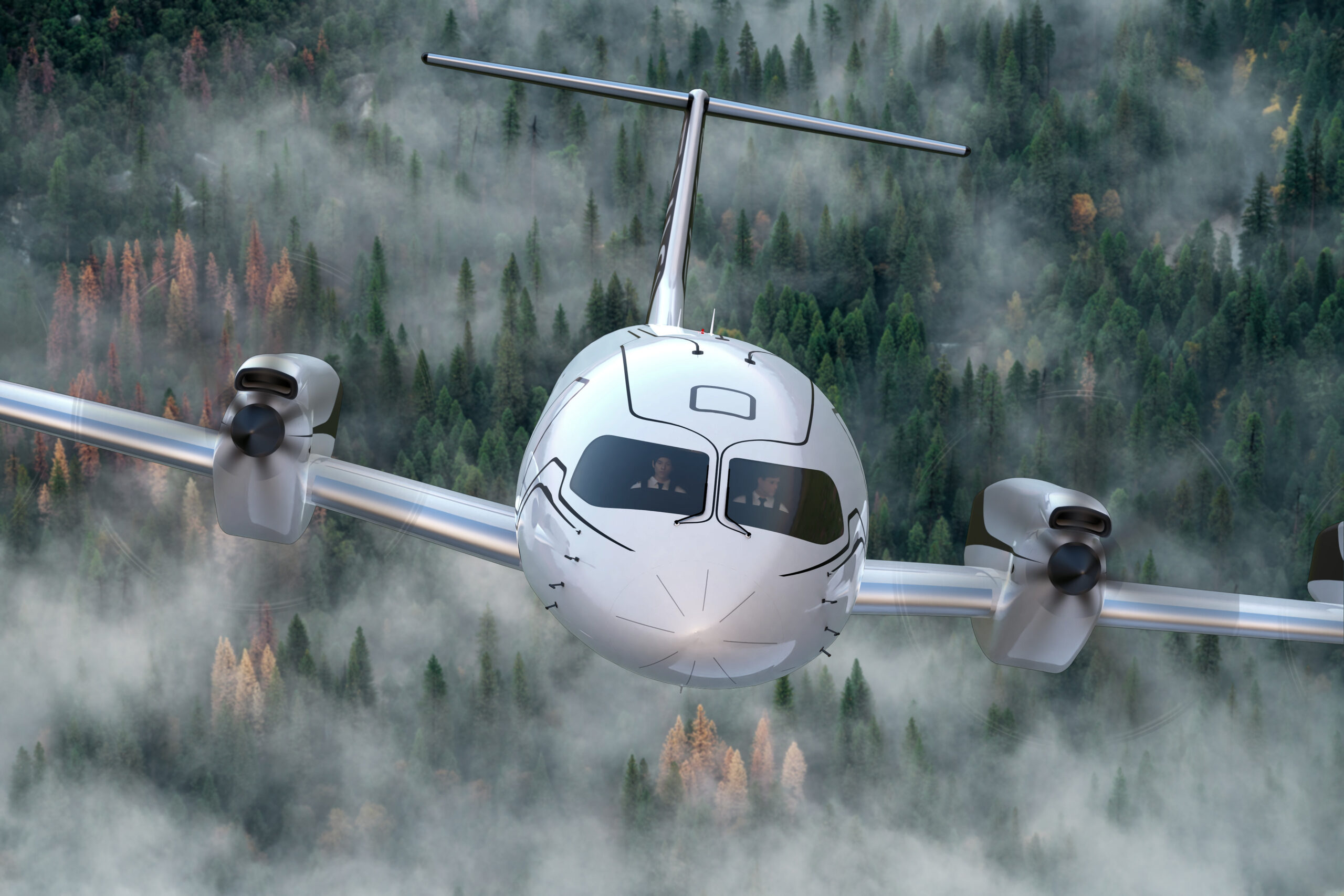
Digital rendering of the Evio 810, a hybrid-electric regional aircraft concept for up to 100 passengers. [Credit: Evio]
Key Takeaways:
Regional aviation is seeing a decline in smaller (50 seats or less) regional jets and an increase in larger (70+ seats) ones, driven by the uneconomic cost per seat of smaller aircraft due to rising labor rates.
Evio, supported by Boeing, is developing the Evio 810, a hybrid-electric regional aircraft for 50-100 passengers, to significantly improve operator economics through electrification.
The "strong hybrid" Evio 810 will use all-electric power for short flights and hybrid for longer routes, leveraging conventional components to lower operating and maintenance costs, with a target introduction in the early 2030s.
Evio has secured conditional purchase agreements for hundreds of aircraft and plans for the 810 to serve diverse applications beyond passenger transport, including cargo and military missions.
There’s a quiet revolution happening in regional aviation.
William Swelbar, chief industry analyst for Swelbar-Zhong Consultancy, told FLYING that the number of departed seats by regional jet equipment is down nearly 69 percent since 2015, primarily due to lower utilization.
CREATE A FREE ACCOUNT
Sign up to keep reading
Create a free account to continue. Already a member? Sign in below.
Jack is a staff writer covering advanced air mobility, including everything from drones to unmanned aircraft systems to space travel—and a whole lot more. He spent close to two years reporting on drone delivery for FreightWaves, covering the biggest news and developments in the space and connecting with industry executives and experts. Jack is also a basketball aficionado, a frequent traveler and a lover of all things logistics.