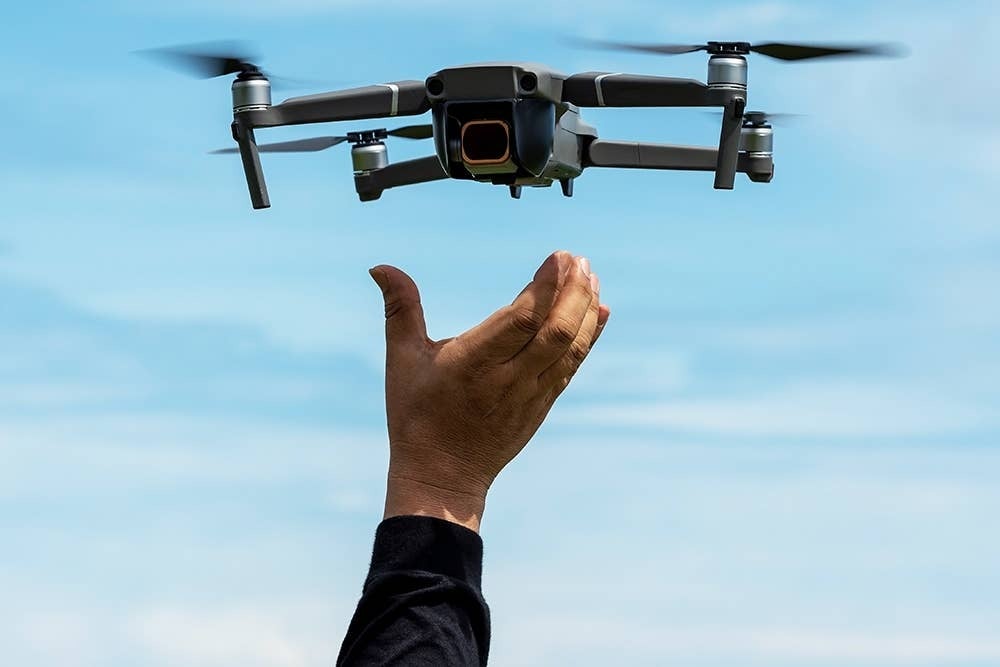
Investing in your education and staying current with industry trends will enhance your earning potential and position you as a leader in the drone industry. [Adobe Stock photo]
Key Takeaways:
The drone industry has experienced rapid growth since 2016, with widespread adoption across various sectors like law enforcement, agriculture, and film.
A commercial drone pilot's salary varies significantly based on key factors including their specific industry, experience level, geographical location, and employment type (full-time vs. freelance).
Pilots can maximize their earning potential by obtaining essential certifications (like FAA Part 107), building a strong portfolio, networking, and continuously updating their skills and knowledge of industry trends.
The drone industry’s growth has been nothing short of amazing over the past decade.
The first Part 107 commercial drone pilot rules were enacted in August 2016. Eight years later, there are more than 400,000 certified remote pilots and more than 785,000 registered drones.
CREATE A FREE ACCOUNT
Sign up to keep reading
Create a free account to continue. Already a member? Sign in below.
David Daly is a professional writer, former Marine Corps officer, and a licensed commercial drone pilot. He is the founder of Vigilante Drones, a drone services company and a co-owner of Altitude University, a leading online educational platform for the drone industry.