













Register

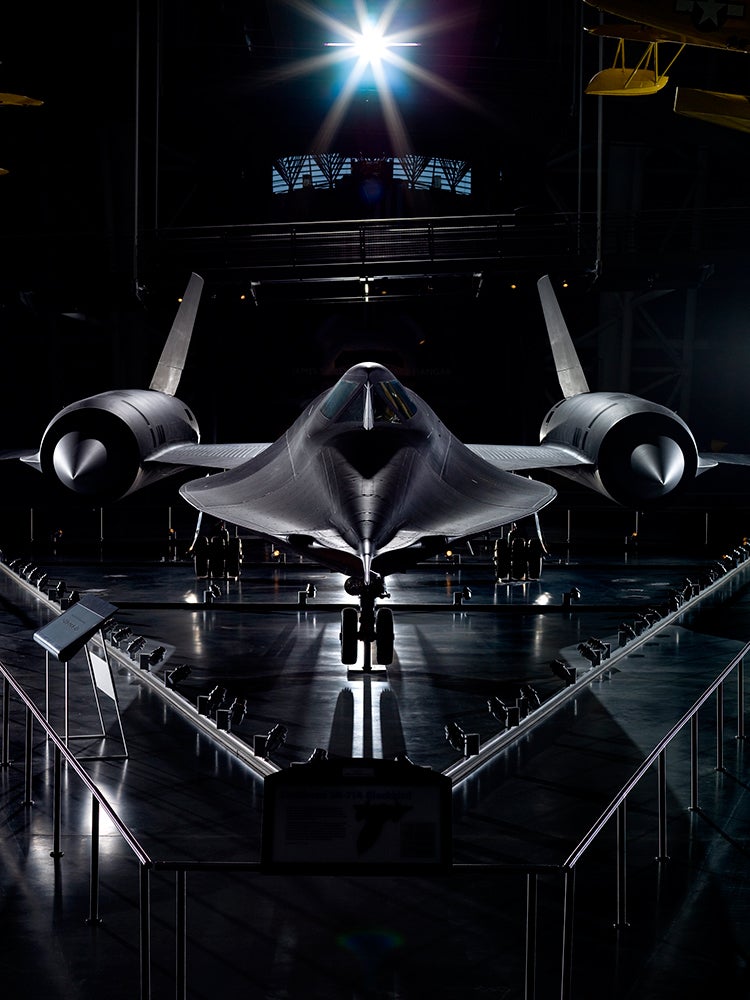
FLYING Classics: Lockheed Created the ‘Impossible’ SR-71 Blackbird to Replace the U-2

Stealth, beauty, and speed are the hallmarks of the SR-71. [FLYING Archives]
Gemini Sparkle

Key Takeaways:

  • The SR-71 Blackbird was developed by Lockheed's Skunk Works during the Cold War as a response to the U-2 incident, aiming for an unparalleled reconnaissance aircraft capable of extreme speed, altitude, and minimal radar detection.
  • Its "impossible" design pioneered advanced materials like titanium alloys, heat-resistant black paint, and early stealth concepts to sustain speeds over Mach 3 at altitudes above 85,000 feet.
  • Serving the Air Force for over 30 years and NASA for research, the SR-71 proved an iconic and invulnerable intelligence-gathering platform, outrunning over 1,000 missiles and setting unbroken speed and altitude records before its retirement.
See a mistake? Contact us.

Following the loss of a U-2 reconnaissance aircraft over the Soviet Union on May 1, 1960, the Eisenhower administration sought a new aircraft from Lockheed (NYSE: LMT)—“one that would fly faster than any aircraft before or since, at greater altitude, and with a minimal radar cross section,” according to Lockheed Martin. Lockheed needed “to build the impossible—and do it fast.”

Development work on an aircraft to improve the United States’ intelligence-gathering capabilities had already begun at Lockheed’s Skunk Works in Burbank, California. 

Ready to Sell Your Aircraft?

List your airplane on AircraftForSale.com and reach qualified buyers.

List Your Aircraft
AircraftForSale Logo | FLYING Logo
Pilot in aircraft
Sign-up for newsletters & special offers!

Get the latest stories & special offers delivered directly to your inbox.

SUBSCRIBE
